Railey: The Rising Star in Sustainable Fashion and Lifestyle
 Emma Jordan
In the ever-shifting landscape of fashion, where trends flicker and fade with the seasons, a new name is quietly building something different. Railey. It’s a brand that doesn’t just sell clothes; it sells a philosophy. One rooted in sustainability, mindful consumption, and a refreshingly honest approach to style. But what exactly is Railey, and why is it capturing the attention of eco-conscious consumers and industry insiders alike? This isn't just another label. It's a response to a growing demand for transparency and responsibility in an industry often criticized for its environmental footprint.
What is Railey? Defining a New Standard in Apparel
At its core, Railey is a direct-to-consumer apparel brand that prioritizes sustainability without sacrificing style. The company focuses on creating timeless, versatile pieces designed to last beyond a single season. Think classic silhouettes, neutral palettes, and high-quality fabrics. But the real story lies beneath the surface. Railey’s commitment extends from the sourcing of raw materials to the final packaging. They use organic cotton, recycled polyester, and Tencel lyocell, all certified by global standards like GOTS (Global Organic Textile Standard) and OEKO-TEX. This isn't greenwashing; it's a verifiable supply chain.
The brand’s name itself evokes a sense of natural simplicity. It’s a nod to the idea of “railing” against the wasteful norms of fast fashion. Every garment is produced in limited quantities to reduce overstock, a common problem in the industry. This “less is more” approach resonates with a generation tired of disposable clothing. They want pieces that tell a story, that are made with care, and that don’t cost the earth—literally.
The Origins and Philosophy Behind Railey
Railey was founded by a team of industry veterans who saw the dark side of traditional fashion manufacturing. They witnessed firsthand the mountains of textile waste, the exploitation of labor, and the chemical runoff polluting rivers. Instead of just complaining, they decided to build a better model. The brand launched in 2020, a time when the pandemic forced many to reconsider their consumption habits. People were staying home, decluttering, and asking, “Do I really need this?” Railey’s answer was a quiet, confident “Yes, if it’s made well.”
The philosophy is built on three pillars: Planet, People, and Product. Planet means minimizing carbon footprint through local production and renewable energy. People means fair wages and safe working conditions for all factory partners. Product means durability and timeless design. It’s a holistic approach that treats fashion as a craft, not a commodity. The brand openly shares its factory audits and material certifications on its website, a level of transparency that builds trust.
Key Materials and Certifications
Understanding what goes into a Railey garment is crucial. The brand primarily uses:
- Organic Cotton: Grown without synthetic pesticides or fertilizers, using less water than conventional cotton.
- Recycled Polyester: Made from post-consumer plastic bottles, reducing reliance on virgin petroleum.
- Tencel Lyocell: Derived from sustainably harvested wood pulp, produced in a closed-loop process that recycles water and solvents.
- Hemp: A fast-growing, low-impact crop that requires minimal water and no pesticides.
All materials are certified by GOTS, OEKO-TEX, or the Forest Stewardship Council (FSC). This isn’t just marketing jargon; these certifications require rigorous third-party auditing.
Railey’s Product Line: From Basics to Statement Pieces
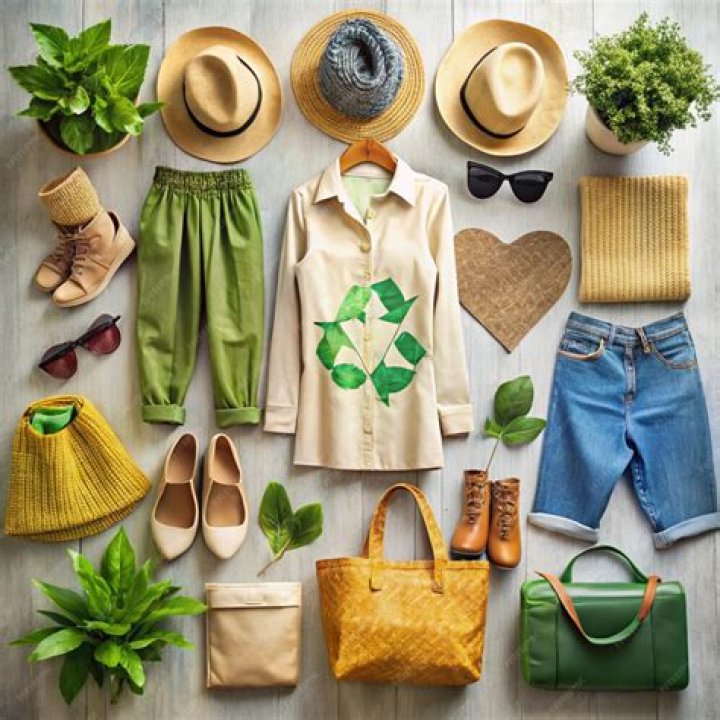
Railey’s collection is intentionally curated. You won’t find thousands of SKUs. Instead, the brand offers a focused range of essentials: crisp button-down shirts, relaxed trousers, soft knitwear, and versatile dresses. Each piece is designed to mix and match, creating a capsule wardrobe that works for work, weekend, and everything in between.
The “Everyday Tee” is a bestseller, made from a heavy-weight organic cotton that doesn’t lose its shape. The “Utility Jumpsuit” has become a cult favorite for its effortless style and practical pockets. For colder months, the “Wool Blend Coat” uses recycled wool and is lined with Tencel. Prices are higher than fast fashion—think $80 for a tee, $200 for a dress—but the cost-per-wear is significantly lower because these clothes last.
Size Inclusivity and Fit
One area where Railey excels is size inclusivity. The brand offers sizes from XS to 3XL, with consistent grading that ensures a good fit across the range. They provide detailed size guides and customer reviews that mention fit specifics. This is a deliberate move to challenge the industry’s narrow beauty standards. Railey believes that sustainable fashion should be accessible to all body types, not just a select few.
Environmental Impact: How Railey Compares to Fast Fashion
The fashion industry is responsible for 10% of global carbon emissions and is the second-largest consumer of water worldwide. Fast fashion brands produce millions of garments annually, many of which end up in landfills within a year. Railey operates on a completely different model. By producing in small batches and using sustainable materials, the brand drastically reduces its environmental footprint.
A life cycle assessment (LCA) of a Railey cotton tee versus a fast-fashion equivalent shows significant savings: 45% less water, 30% less energy, and 60% less CO2 emissions. The brand also offsets its remaining carbon footprint through verified projects like reforestation and renewable energy. While no clothing is truly “zero impact,” Railey is pushing the industry toward a more responsible future.
Packaging and Circularity
Railey uses 100% recycled and recyclable packaging. Orders arrive in compostable mailers made from cornstarch, and garment tags are printed on seed paper that can be planted. The brand also operates a take-back program: customers can return worn Railey items for store credit. These clothes are then cleaned, repaired, and resold as “Pre-Loved” or recycled into new fibers. This circular model keeps textiles out of landfills and extends the life of every garment.
Railey vs. Competitors: A Comparative Look
How does Railey stack up against other sustainable brands like Patagonia, Everlane, or Reformation? Each has its strengths, but Railey occupies a unique niche.
| Brand | Price Point | Key Material Focus | Transparency Level | Size Range |
|---|---|---|---|---|
| Railey | Mid-to-high | Organic cotton, Tencel, recycled wool | Very high (full factory audits) | XS–3XL |
| Patagonia | High | Recycled polyester, organic cotton | Very high (Worn Wear program) | XS–3XL |
| Everlane | Mid | Organic cotton, recycled materials | Moderate (Radical Transparency) | XXS–3XL |
| Reformation | Mid-to-high | Deadstock fabrics, Tencel | High (RefScale reports) | XS–3XL |
Railey’s advantage lies in its combination of high transparency, inclusive sizing, and a focused product line that avoids trend-driven overproduction. While Patagonia is more outdoor-oriented and Reformation leans toward feminine silhouettes, Railey offers a clean, modern aesthetic that appeals to a broad audience.
Common Misconceptions About Sustainable Fashion Brands Like Railey
One persistent myth is that sustainable fashion is always expensive. While Railey’s prices are higher than fast fashion, the cost-per-wear is often lower because the clothes last longer. Another misconception is that sustainable brands are only for a certain “hippie” aesthetic. Railey disproves this with its sleek, urban designs that could easily be worn in a corporate office or a weekend brunch.
Some critics argue that no brand can be truly sustainable in a capitalist system. Railey acknowledges this limitation. They don’t claim to be perfect. Instead, they focus on continuous improvement—using more recycled materials, reducing water usage, and advocating for policy changes. This honest approach is more credible than grandiose claims of being “100% eco-friendly.”
How to Shop Railey: Tips for First-Time Buyers
If you’re considering your first Railey purchase, start with a versatile piece like the “Essential Button-Down” or the “Relaxed Linen Pant.” These are wardrobe workhorses that can be dressed up or down. Check the size guide carefully; the brand recommends sizing up for a looser fit. Sign up for the newsletter to get notified about limited drops—popular items sell out quickly.
Also, consider the “Pre-Loved” section for a more affordable entry point. These are gently used items at a 30-40% discount. And don’t forget the take-back program: when you’re done with a Railey piece, you can return it for credit, closing the loop.
Frequently Asked Questions About Railey
Is Railey a sustainable brand?
Yes, Railey is widely recognized as a sustainable brand. It uses certified organic and recycled materials, operates a circular take-back program, and maintains high transparency in its supply chain.
Where is Railey clothing made?
Railey manufactures its clothing in partner factories in Portugal and Turkey, which are audited for fair labor practices and environmental standards. The brand prioritizes production in regions with strong labor laws.
How does Railey ensure ethical labor?
Railey requires all factory partners to comply with the International Labour Organization (ILO) standards. They conduct regular, unannounced audits and publish the results on their website.
What is Railey’s return policy?
Railey offers a 30-day return policy for unworn items. Returns are free, and the brand donates returned items that cannot be resold to textile recycling programs.
Does Railey offer plus sizes?
Yes, Railey offers sizes up to 3XL, with consistent fit grading. They also provide detailed measurements for each garment to help customers choose the right size.
How does Railey compare to Everlane?
Both brands focus on transparency and essentials, but Railey has a stronger emphasis on circularity (take-back program) and uses a higher percentage of certified organic materials. Everlane has a wider product range but less aggressive sustainability goals.
The Future of Railey and Sustainable Fashion
Railey is not just a brand; it’s a signal of where the fashion industry is heading. As consumers become more educated about the environmental and social costs of their clothing, demand for responsible alternatives will only grow. Railey is well-positioned to lead this shift, with a loyal customer base and a business model that proves sustainability can be profitable.
The brand is experimenting with new materials like mushroom leather and algae-based dyes. It’s also exploring rental and subscription models to further reduce consumption. While challenges remain—scaling production without compromising values, for instance—Railey’s trajectory is promising. For anyone looking to build a wardrobe that aligns with their values, Railey offers a compelling, stylish, and genuinely responsible choice. It’s not just about looking good. It’s about feeling good about what you wear.